
Какая цена на профессиональные установки для мойки
Вы когда-нибудь задумывались, почему цены на профессиональные установки для мойки так сильно варьируются? Возможно, вы планируете открыть собственную автомойку или модернизировать существующую, и этот вопрос становится ключевым. В этой статье мы подробно разберем, от чего зависит стоимость таких установок, и дадим практические советы, как сделать оптимальный выбор. Мы охватим все аспекты: от базовых моделей до премиум-решений, и даже затронем скрытые расходы, о которых многие забывают. Приготовьтесь к глубокому погружению в мир профессионального оборудования для мойки!
Что такое профессиональные установки для мойки?
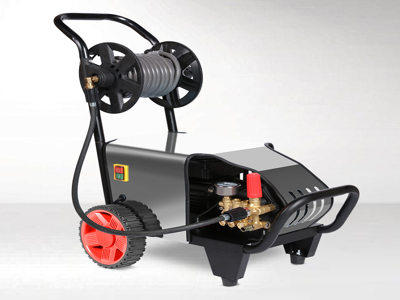
Профессиональные установки для мойки – это специализированное оборудование, предназначенное для эффективной и качественной очистки транспортных средств, such as cars, trucks, or even industrial machinery. Они отличаются от бытовых моделей высокой производительностью, durability, and advanced features like water recycling systems or automated controls. These installations can include high-pressure washers, steam cleaners, foam generators, and drying systems, all integrated to provide a comprehensive cleaning solution. Investing in such equipment is crucial for businesses aiming to offer premium services and maximize efficiency.
Factors Influencing the Price
The cost of professional washing installations is influenced by numerous factors. Key elements include the type of equipment (e.g., automatic tunnels vs. self-service bays), brand reputation (premium brands like Kärcher or Nilfisk command higher prices), technological features (such as IoT integration or energy-efficient systems), and capacity (larger units for high-volume operations cost more). Additionally, installation costs, maintenance requirements, and customization options can significantly impact the overall price. For instance, a basic setup might start around $10,000, while advanced systems can exceed $100,000. It's essential to consider these variables to avoid overspending or underinvesting.
Types of Professional Washing Installations
There are several types of professional washing installations, each with its own price range. Self-service bays are often the most affordable, costing between $5,000 and $20,000 per bay, ideal for small businesses. Automatic tunnel systems, which offer high throughput, can range from $50,000 to over $200,000, depending on length and features. Touchless systems, which use high-pressure jets and avoid physical contact, typically cost $20,000 to $80,000. Additionally, mobile washing units or steam cleaners might be cheaper, starting at a few thousand dollars, but they lack the scalability of fixed installations. Understanding these types helps in aligning choices with business goals and budget constraints.
Brand Overview and Price Comparisons
Brand plays a significant role in pricing. Established brands like Kärcher, Nilfisk, and WashTec are known for reliability and innovation, but their products come at a premium. For example, a Kärcher HD series high-pressure washer might cost $2,000 to $5,000, while a full tunnel system from WashTec could be $100,000 or more. Mid-range brands like Ryko or Coleman Hanna offer balance between cost and quality, with prices around $30,000 to $80,000 for automatic systems. Budget options from lesser-known brands might be cheaper, but they often sacrifice durability and support. It's wise to compare warranties, customer reviews, and after-sales service when evaluating brands to ensure long-term value.
Additional Costs to Consider
Beyond the initial purchase price, there are hidden costs that can affect the total investment. Installation expenses, including plumbing, electrical work, and site preparation, can add 10-20% to the base cost. Maintenance and consumables, such as detergents, filters, and replacement parts, might cost $1,000 to $5,000 annually. Energy consumption is another factor; water-efficient models save money over time but may have higher upfront costs. Training staff on how to operate the equipment efficiently can also incur expenses. Ignoring these additional costs can lead to budget overruns, so always factor them into your decision-making process.
How to Choose the Right Installation for Your Needs
Selecting the appropriate washing installation requires careful consideration of your business size, target market, and financial capacity. Start by assessing your daily vehicle volume; low traffic might justify a self-service system, while high demand calls for an automatic tunnel. Consider the types of vehicles you'll service – heavy-duty trucks need more robust equipment than passenger cars. Set a realistic budget that includes all associated costs, and prioritize features that enhance customer experience, such as quick drying or eco-friendly options. Reading industry reports and consulting with experts can provide valuable insights. Remember, the cheapest option isn't always the best; focus on return on investment and long-term reliability.
Benefits of Investing in Professional Equipment
Investing in high-quality professional washing installations offers numerous advantages. They increase efficiency, allowing you to serve more customers in less time, which boosts revenue. Advanced features like water recycling reduce operational costs and environmental impact, appealing to eco-conscious clients. Durability ensures fewer breakdowns and lower maintenance costs over the years. Moreover, modern systems with user-friendly interfaces improve customer satisfaction and loyalty. For instance, a well-equipped wash can attract premium clients willing to pay higher prices. Overall, the initial higher cost is often offset by increased profitability and business growth, making it a smart investment for serious entrepreneurs.
Case Studies and Real-World Examples
To illustrate, consider a case study: A small car wash in Moscow upgraded from manual washers to an automatic tunnel system costing $80,000. Within a year, customer throughput doubled, and revenue increased by 60%, covering the investment quickly. Another example is a truck wash company that invested in a touchless system for $40,000; it reduced labor costs and minimized vehicle damage claims. These real-world scenarios highlight how the right equipment choice directly impacts success. Always research similar businesses in your area to learn from their experiences and avoid common pitfalls.
Future Trends in Washing Technology
The industry is evolving with trends like automation, IoT integration, and sustainability. Future installations might feature AI for optimized cleaning cycles or solar-powered systems to cut energy costs. Prices for these advanced technologies are currently high but are expected to decrease as they become more mainstream. Staying informed about these trends can help you make future-proof investments. For example, investing in a system with upgrade potential might save money in the long run compared to frequently replacing outdated equipment.
Conclusion: Making an Informed Decision
In summary, the price of professional washing installations varies widely based on type, brand, features, and additional costs. By thoroughly researching and planning, you can find a solution that fits your budget and business needs. Don't hesitate to seek quotes from multiple suppliers and negotiate for better deals. Ultimately, a well-chosen installation can transform your business, leading to higher profits and customer satisfaction. If you have more questions or need personalized advice, feel free to reach out to industry experts. Happy washing!
This article has provided a comprehensive overview to help you navigate the complexities of pricing for professional washing installations. Remember, knowledge is power – use it to make smart investments!
