

Чем отличается высокое давление в мойке от традиционных методов
В современном мире очистка поверхностей является неотъемлемой частью как бытовой, так и промышленной деятельности. Традиционные методы мойки, такие как использование щеток, тряпок и большого количества воды, постепенно уступают место более эффективным технологиям, среди которых выделяется мойка высоким давлением. Эта статья посвящена глубокому анализу различий между этими подходами, подчеркивая преимущества высокого давления в плане эффективности, экономии ресурсов и экологической устойчивости.
Исторический контекст и эволюция методов мойки
Традиционные методы мойки берут свое начало в древности, когда люди использовали простые инструменты, такие как палки и натуральные материалы, для очистки. С развитием цивилизации появились щетки, ведра и мыльные растворы, которые стали стандартом на многие века. Например, в средневековье мойка улиц и зданий проводилась вручную с помощью больших щеток и воды из колодцев. Это было трудоемко и неэффективно, часто приводя к неполной очистке и высокому расходу воды.
С промышленной революцией XIX века методы начали меняться: появились механизированные щетки и насосы, но они все еще полагались на низкое давление воды. Только в XX веке, с изобретением насосов высокого давления, технология мойки совершила прорыв. Первые устройства для мойки под высоким давлением были разработаны в 1950-х годах и первоначально использовались в промышленных целях, таких как очистка машин и оборудования. Со временем они стали доступны для бытового использования, revolutionizing подход к очистке.
Сегодня высокое давление в мойке представляет собой sophisticated технологию, которая использует воду, подаваемую под давлением до 200 бар и более, для удаления грязи, graffiti, и других загрязнений. Это контрастирует с традиционными методами, которые often требуют физических усилий и химических средств. Эволюция показывает clear shift в сторону автоматизации и efficiency, что делает высокое давление предпочтительным выбором во многих сценариях.
Основные принципы работы: высокое давление vs традиционные методы
Традиционные методы мойки основаны на механическом трении и химическом воздействии. Например, при мытье пола человек использует ведро с водой, моющее средство и швабру. Вода размягчает грязь, а трение от швабры удаляет ее. Этот процесс требует значительных физических усилий, времени и часто приводит к неравномерной очистке. В промышленных условиях традиционные методы могут включать использование brushes attached to machines, но они все еще limited by low pressure and manual intervention.
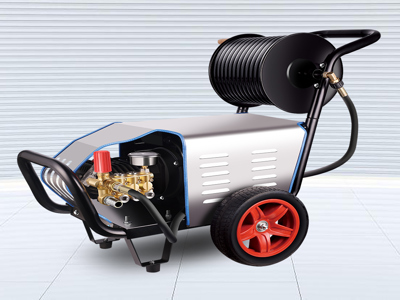
В отличие от этого, мойка высоким давлением использует kinetic energy воды. Устройство состоит из насоса, который увеличивает давление воды, и сопла, которое направляет струю. Высокое давление позволяет воде проникать в микротрещины и effectively удалять даже stubborn загрязнения без необходимости в excessive химикатах. Принцип simple: water under high pressure has high velocity, which impart kinetic energy to dislodge dirt. This is more efficient than relying solely on friction or chemicals.
Key difference lies in the force applied. Traditional methods often use pressures below 10 bar, whereas high-pressure washers can operate at 100-200 bar or higher. This results in faster cleaning, better penetration, and reduced water usage. For instance, cleaning a car with a traditional hose might take 30 minutes and use 100 liters of water, while a high-pressure washer can do it in 10 minutes with only 50 liters. The efficiency is further enhanced by the ability to adjust pressure and use different nozzles for various surfaces.
Эффективность и производительность: сравнительный анализ
Эффективность мойки high pressure значительно превосходит традиционные methods. В terms of speed, high-pressure washers can clean surfaces up to 10 times faster. For example, cleaning a large industrial floor manually might take hours, whereas a high-pressure system can complete it in minutes. This is crucial in industries where downtime is expensive, such as manufacturing or food processing.
In terms of cleanliness, high pressure provides a more thorough result. It can remove ingrained dirt, oil, and bacteria that traditional methods might leave behind. Studies have shown that high-pressure washing reduces bacterial load by over 90% compared to manual cleaning, making it ideal for hygienic environments like hospitals or kitchens.
Productivity is also higher because it reduces labor costs. One operator with a high-pressure washer can do the work of multiple people using traditional tools. This not only saves money but also reduces the risk of injuries associated with repetitive manual tasks. Additionally, high-pressure washers can be equipped with hot water or steam functions, further enhancing their effectiveness against greasy or oily stains.
Traditional methods, while familiar, often lead to inconsistent results. For instance, scrubbing a wall by hand might miss spots or cause damage to the surface. High pressure, with its controlled stream, ensures uniform cleaning without abrasive action, preserving the integrity of materials like wood or metal.
Экономия воды и экологические аспекты
Одним из major advantages высокого давления является reduced water consumption. Traditional methods, such as hosing down a surface, can use large volumes of water inefficiently. A garden hose might flow at 20 liters per minute, whereas a high-pressure washer uses only 5-10 liters per minute but achieves better cleaning due to the pressure. This can lead to water savings of up to 80%, which is critical in regions facing water scarcity.
Environmental impact is also mitigated. High-pressure washing often requires fewer chemicals, as the force of water alone can remove many types of dirt. When chemicals are needed, they are used in lower concentrations because the pressure enhances their effectiveness. This reduces the runoff of harmful substances into waterways, contributing to cleaner ecosystems.
In contrast, traditional methods frequently involve excessive use of detergents and water, leading to pollution. For example, washing a car in a driveway with soap and water can result in phosphates and oils entering storm drains, harming aquatic life. High-pressure washers can be used with eco-friendly detergents and are designed to minimize waste.
Moreover, high-pressure systems can be integrated with water recycling units, further reducing environmental footprint. In industrial settings, this aligns with sustainability goals and regulations. The energy efficiency of modern high-pressure washers has also improved, with electric models consuming less power compared to older gas-powered versions.
Применение в различных сферах: от быта до промышленности
High-pressure washing has versatile applications. In domestic settings, it is used for cleaning cars, patios, fences, and outdoor furniture. It saves homeowners time and effort, and the results are often superior to scrubbing by hand. For instance, removing mold from siding is much easier with high pressure, preventing damage that might occur from abrasive scrubbing.
In commercial and industrial contexts, high-pressure washers are indispensable. They are used in agriculture for cleaning equipment and barns, in construction for preparing surfaces before painting, and in transportation for washing vehicles and infrastructure. The food industry relies on them for sanitizing processing equipment to meet hygiene standards.
Traditional methods still have their place, especially in delicate situations where high pressure might cause damage, such as cleaning antique surfaces or electronic components. However, for most applications, high pressure offers a better balance of efficiency and safety.
Case studies highlight the differences. For example, a municipality switching from manual street cleaning to high-pressure sweepers reported a 50% reduction in time and water usage. Similarly, a factory using high-pressure systems for equipment maintenance saw decreased downtime and improved compliance with cleanliness regulations.
Затраты и экономическая целесообразность
Initial investment in high-pressure equipment can be higher than traditional tools. A basic high-pressure washer for home use might cost $200-$500, while industrial models can run into thousands of dollars. Traditional methods, using buckets and brushes, have minimal upfront costs.
However, the long-term economic benefits favor high pressure. Reduced labor costs, water savings, and lower chemical usage lead to significant operational savings. For businesses, the return on investment can be quick; for instance, a car wash using high-pressure systems might recoup costs within a year through increased throughput and reduced expenses.
Maintenance costs for high-pressure washers are generally low, especially with modern designs that are durable and easy to service. Traditional methods, while cheap initially, can incur hidden costs such as increased labor hours and higher consumption of supplies.
Overall, the economic analysis shows that high-pressure washing is more cost-effective for medium to large-scale applications, while traditional methods may still be viable for small, infrequent tasks.
Безопасность и риски
High-pressure washing carries certain risks, such as the potential for injury from the high-pressure stream, which can cut skin or damage surfaces if misused. Proper training and protective gear are essential. Additionally, there is a risk of spreading contaminants if not handled correctly, such as blowing debris into unwanted areas.
Traditional methods are generally safer in terms of pressure-related injuries but pose other risks, like slips from wet surfaces or strains from physical labor. They also might involve hazardous chemicals that require careful handling.
Both methods require adherence to safety protocols. High-pressure washers often come with safety features like automatic shut-off and pressure regulators to mitigate risks.
Будущие тенденции и инновации
The future of washing technology is leaning towards smarter, more efficient systems. Innovations include robotic high-pressure washers that can autonomously clean large areas, reducing human intervention further. There is also a push towards using reclaimed water and solar-powered units to enhance sustainability.
Traditional methods are unlikely to disappear entirely but will evolve with automation, such as robotic scrubbers that combine aspects of both approaches.
Overall, high-pressure washing will continue to dominate due to its superior performance and alignment with environmental goals.
Заключение
В заключение, высокое давление в мойке offers significant advantages over traditional methods in terms of efficiency, water savings, and environmental impact. While traditional methods have their niche, the shift towards high-pressure technology is driven by its ability to deliver better results with less resource consumption. As technology advances, we can expect further improvements that will make high-pressure washing even more accessible and effective.
Для потребителей и businesses, adopting high-pressure systems is a wise investment that pays off in the long run. Whether for home use or industrial applications, the differences are clear: high pressure is the modern, sustainable choice for cleaning.
